
House Cleansings
Energy Detectives
A division of Energy Shifter
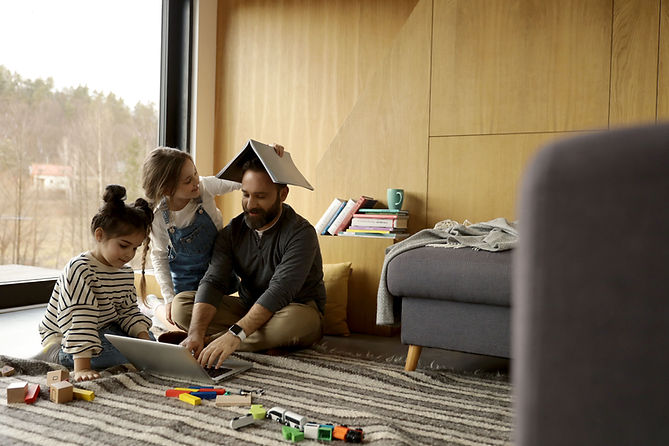
When a Home Feels Off
Sometimes a home looks fine — but doesn’t feel settled.
This page helps you understand common experiences people describe when something in a space feels off, without pressure or assumptions.
Common Experiences People Describe
People often arrive here trying to understand subtle but ongoing feelings in a home. These are some of the most common experiences they mention.
Why This Can Happen
Why a home may feel unsettled during times of change
Homes are not static environments. They respond to changes in routine, occupancy, and emotional tone. During periods of transition — such as life changes, shifting relationships, or altered daily rhythms — a space may feel temporarily unsettled as it adjusts. This doesn’t mean something is wrong. It often reflects a period of rebalancing, where the home and the people within it are finding a new sense of alignment.
Explore Common Situations
Some situations come up again and again. You can explore them in more detail here.
When a home has experienced loss, the emotional atmosphere of grief can linger quietly in the space. Even after time has passed and life has moved forward, a home may still reflect the pause or transition associated with what occurred there. This is a common experience and doesn’t mean anything is wrong — it often reflects a period of adjustment that hasn’t fully settled yet.
Transitions don’t always settle immediately. A home may feel unfamiliar, unsettled, or difficult to relax in even after unpacking, decorating, and establishing routines. Sometimes the space itself needs time to align with new occupants and a new chapter.
Homes that have held prolonged stress, illness, or unresolved conflict can feel tense or draining over time. Even when circumstances change, the environment may still reflect what it carried for an extended period. This doesn’t imply blame or fault — it’s often simply the residue of sustained pressure.
Renovations can significantly improve how a home looks without affecting how it feels. Physical updates don’t always address the less visible layers that influence comfort and emotional ease. It’s not unusual for a space to look new while still feeling unchanged.
Children and animals often respond to subtle environmental shifts before adults do. Their reactions are usually instinctive rather than analytical, which can make them more sensitive to changes in a space. These responses are common and don’t indicate danger — they’re often simply early awareness.
In some cases, there isn’t a specific event to point to. The feeling is simply present — subtle, persistent, and difficult to explain. Noticing this doesn’t mean something is wrong. It often reflects attentiveness to how a space feels rather than how it appears.e
What Helps
Awareness is often the first step. Some homes settle with time, while others benefit from additional support to release what they’ve been holding.